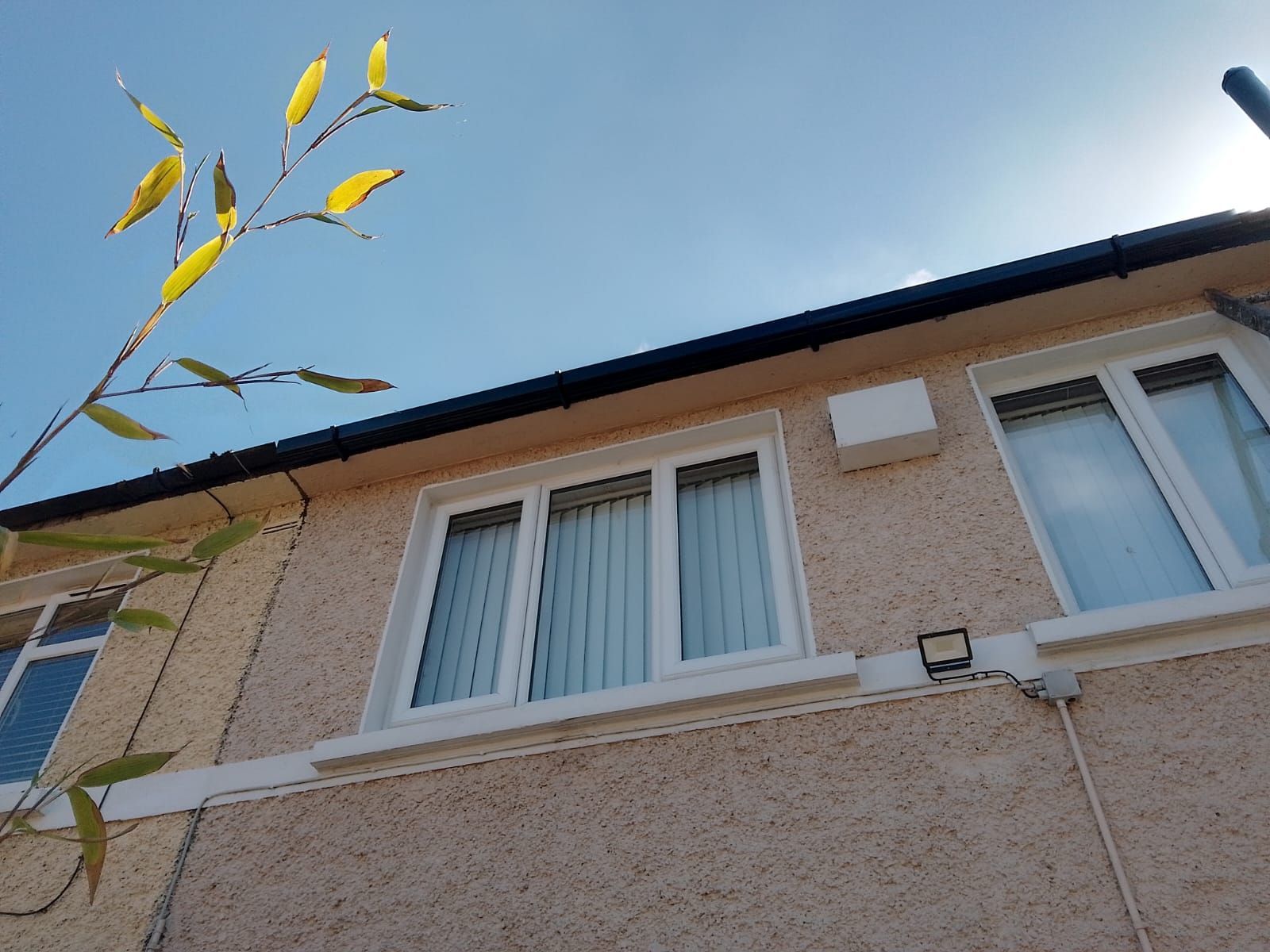
Rotten Fascia Boards and How We Replace Them
16 November 2026
Share
Understanding Rotten Fascia Boards on Your Roofline
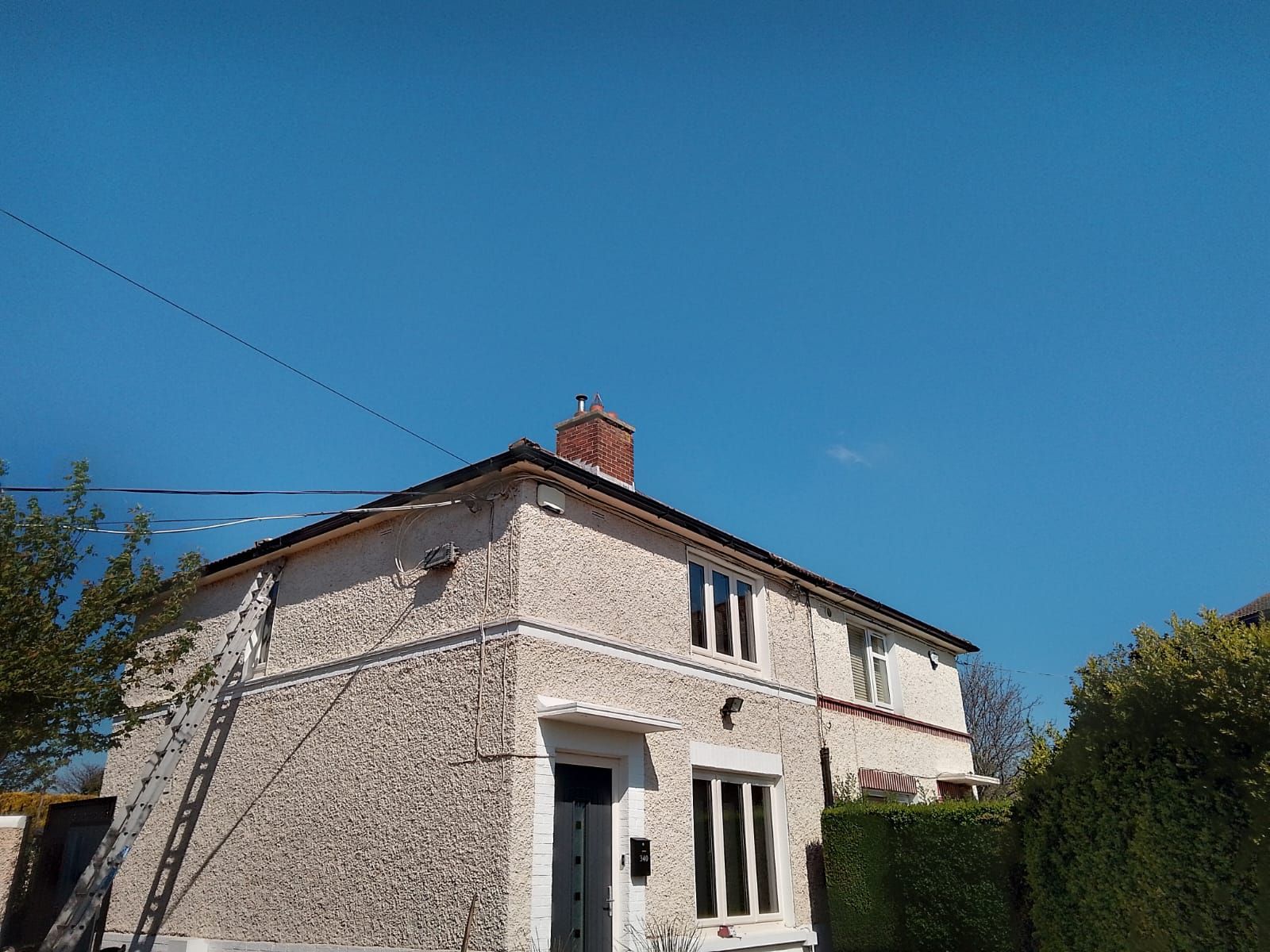
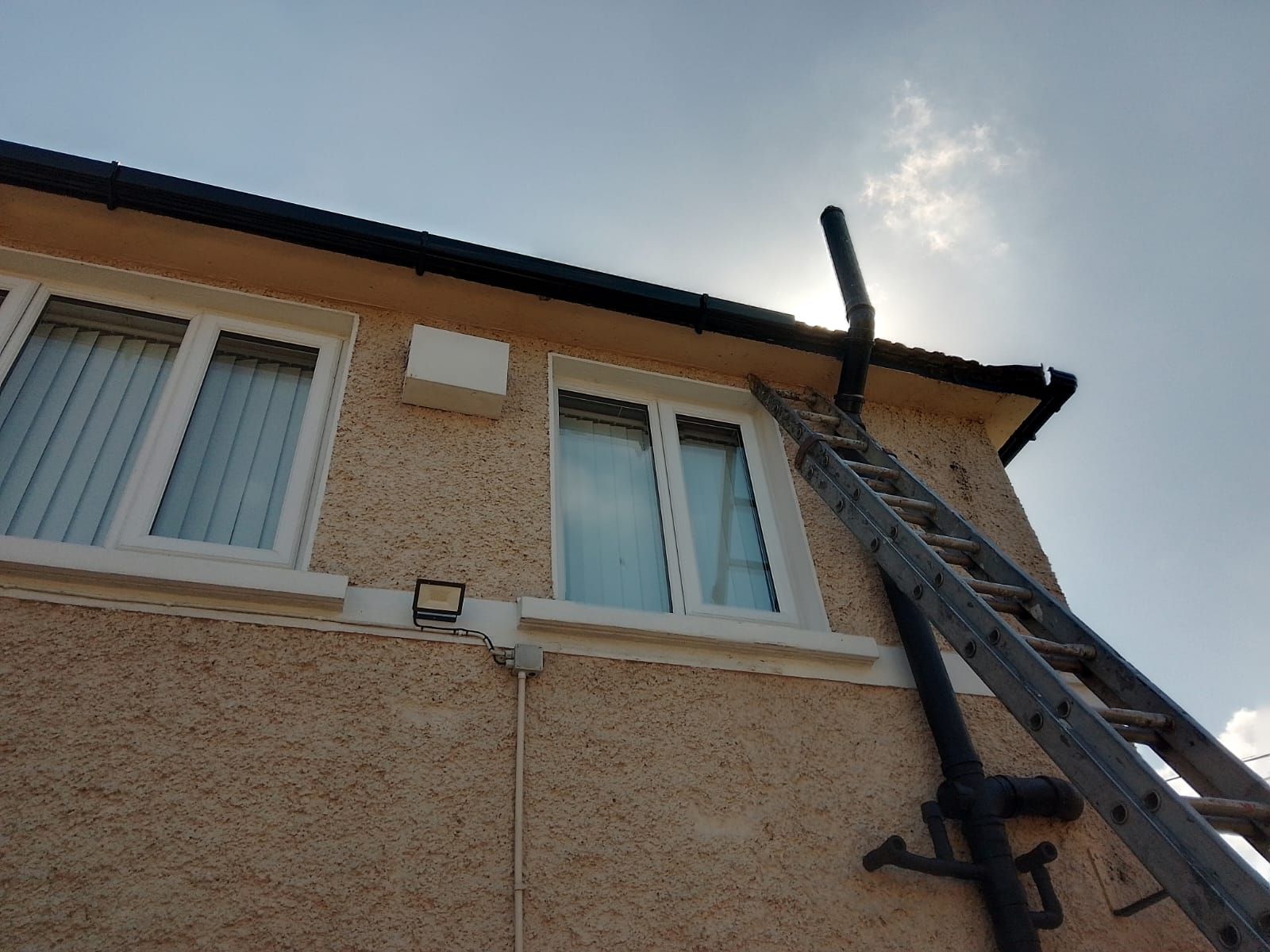
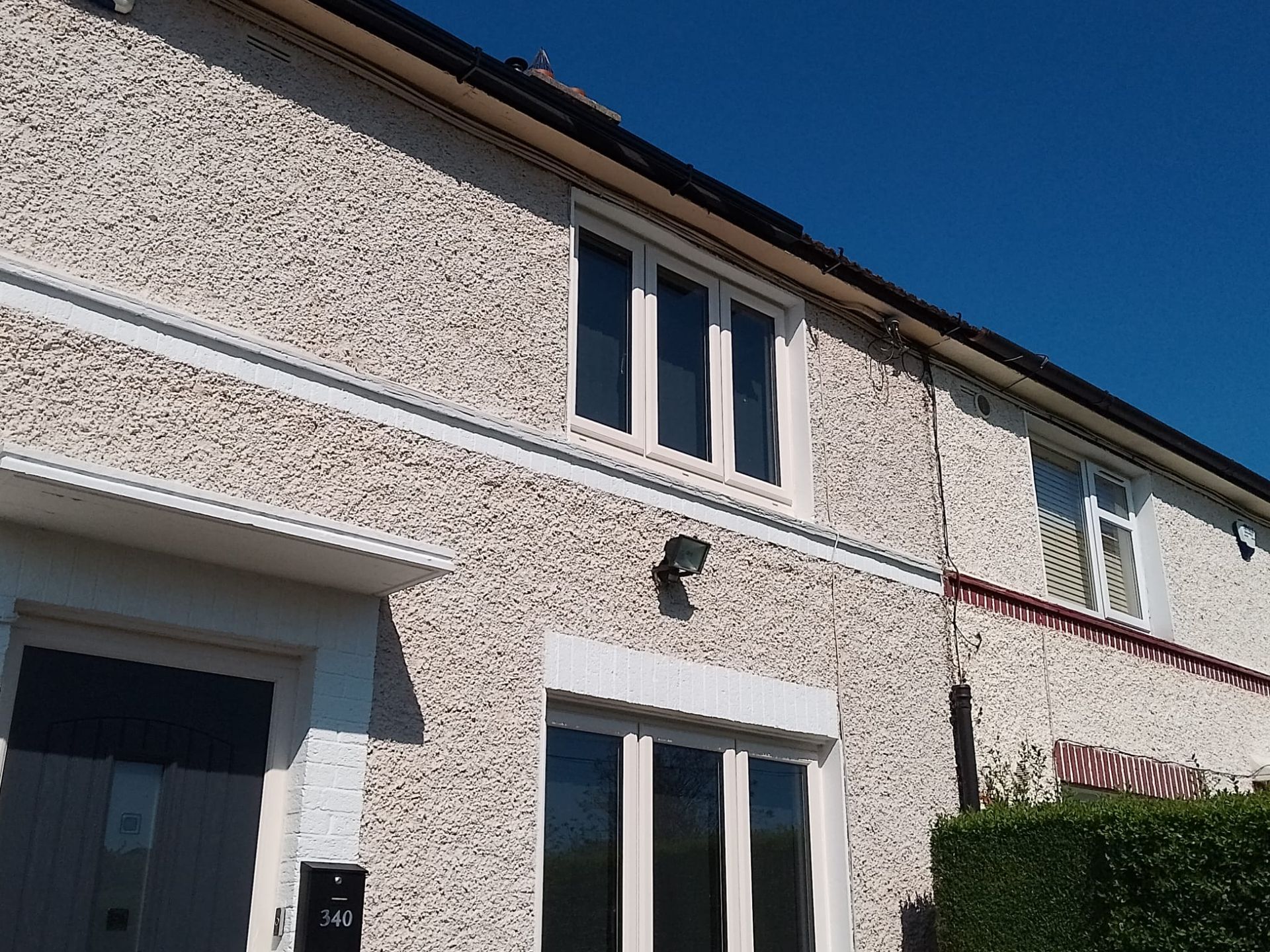
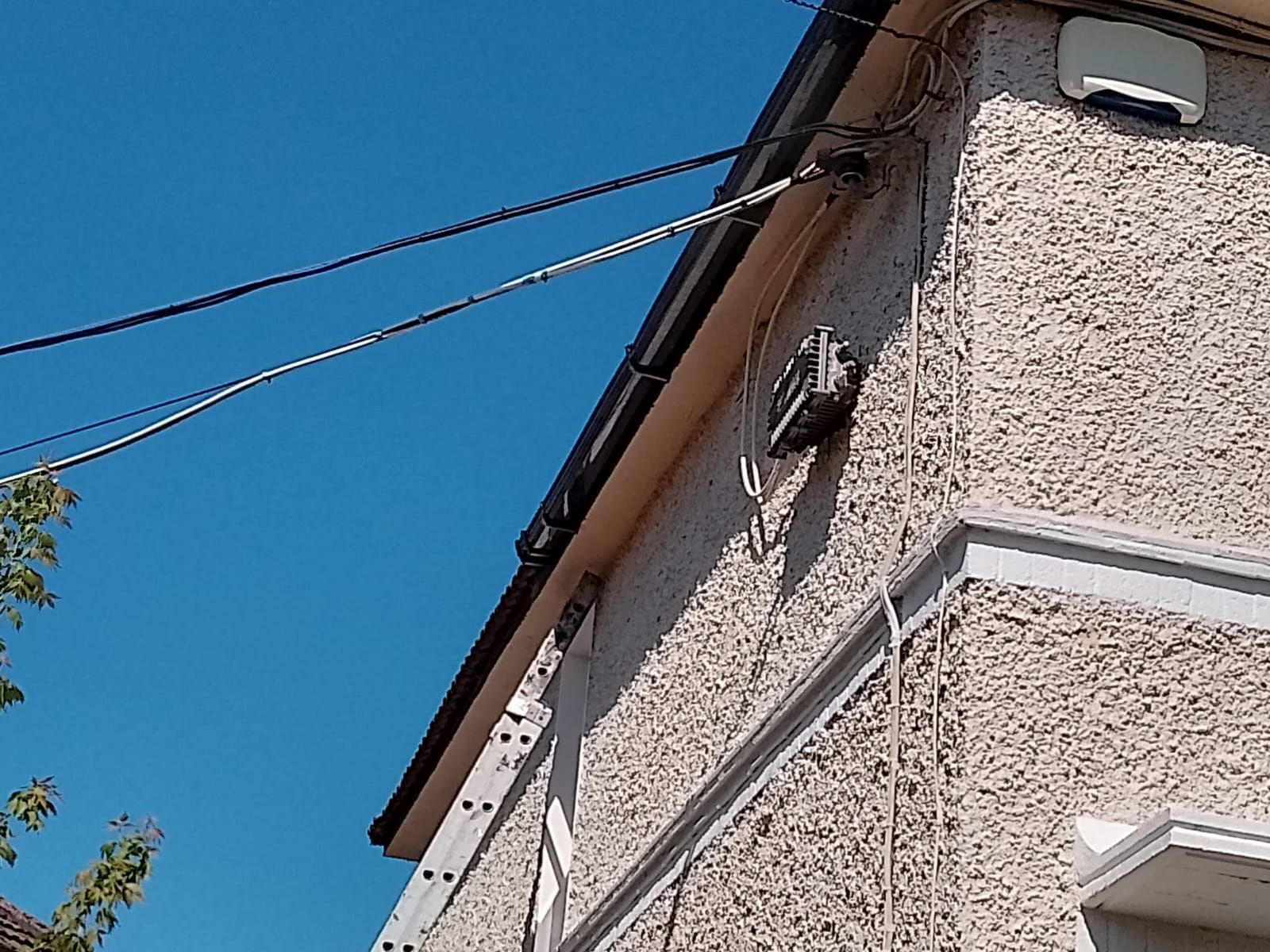
Rotten fascia boards are the timber or uPVC boards along your roofline that have softened, cracked or crumbled from prolonged exposure to rain, and they need replacing once the wood can no longer hold screws or keep water out. We remove the damaged sections, fit new fascia cut to size, and reseal the roofline so your home stays protected.
In this article we explain what causes fascia boards to rot, how to spot the warning signs before they lead to bigger problems, and the steps we follow when replacing rotten fascia boards on homes across Dublin and the surrounding areas.
Signs Your Fascia Boards Are Rotten
Fascia sits at the point where your roof meets the walls of the house, so it takes a constant battering from rain, wind and changing temperatures. Because it is fixed high up and often painted, early rot can be easy to miss from ground level, especially on a dull day when the colour change is harder to notice.
A few clear signs tend to show up before a board fails completely. We advise booking a free inspection with us as soon as you notice any of the following:
- Paint that is peeling, bubbling or flaking in patches along the roofline
- Soft, spongy or crumbly timber that gives way when you press it
- Gutters that have started to sag, pull away from the wall or sit unevenly
- Dark streaks, water stains or green algae running down the wall below the fascia
- Visible cracks, splits or small holes where birds or insects have gained access
- A musty or damp smell in the attic close to the eaves
If you spot more than one of these at once, the board has usually been letting in water for some time. Our fascia and soffit repair service starts with a straightforward check of the whole roofline so we can tell you exactly what needs attention.
What Causes Fascia Board Rot in Irish Homes
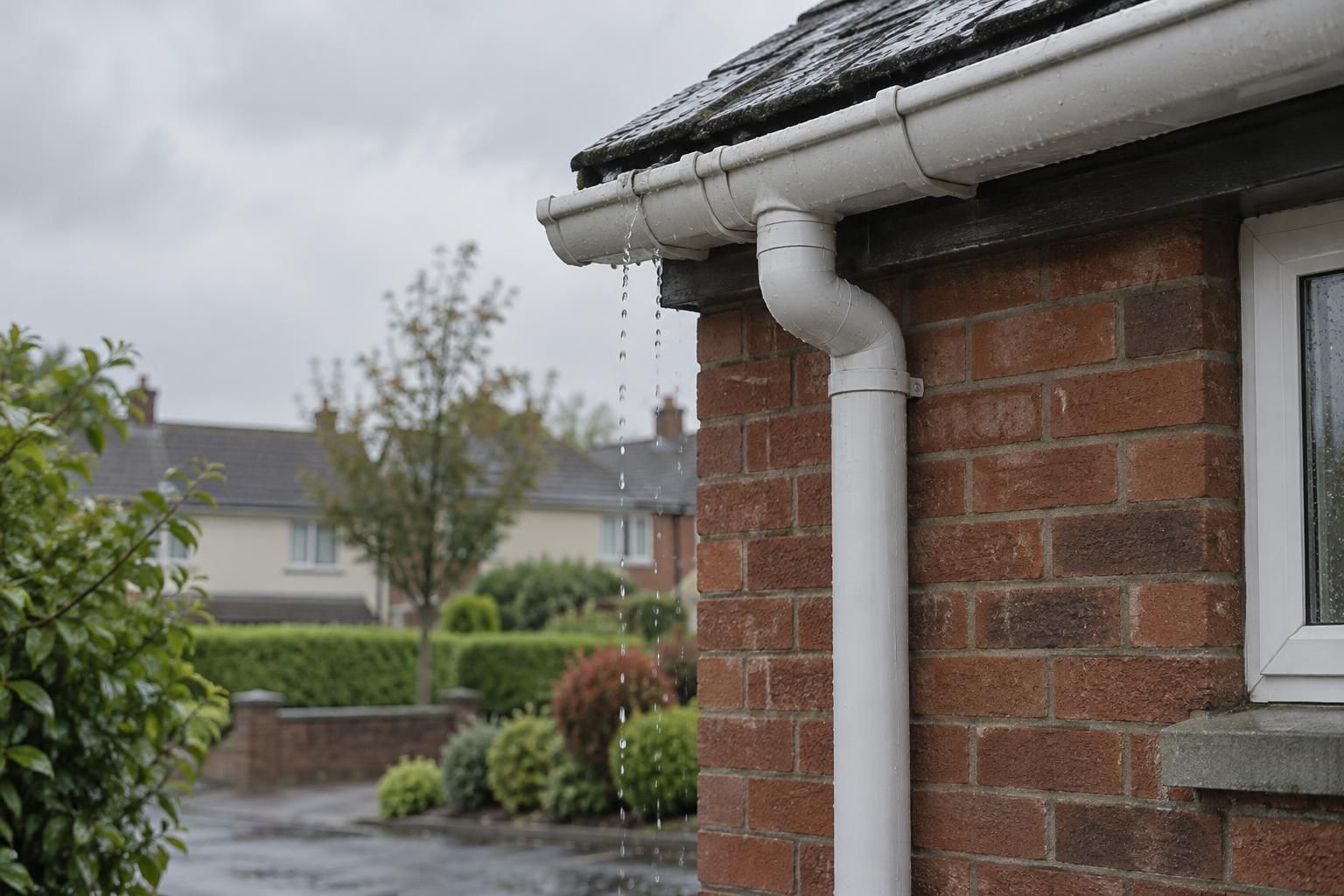
Fascia board rot almost always comes down to water finding a way in and staying there. A blocked or leaking gutter is one of the most common causes, since overflowing rainwater runs straight down the face of the board instead of away through the downpipe. Once moisture gets behind old paint or into a joint, timber fascia starts to soften from the inside out, often well before any damage is visible from the ground.
Dublin's weather makes this a particularly persistent problem. Met Éireann's most recent climate figures show that average annual rainfall across Ireland has risen over the past three decades, so exterior timber on an exposed roofline is under sustained pressure year after year. Combine that with coastal air, older housing stock, and fascia boards that were never properly sealed, and rot can take hold faster than homeowners expect.
Poor ventilation in the roof space adds to the problem too. Trapped moisture under the eaves softens timber from behind, which is why a board can look fine from the street while the back edge is already crumbling.
Older semi-detached and terraced houses across Dublin are especially prone to this, since many were fitted with timber fascia decades ago and have been repainted several times since without the boards ever being fully replaced. Each repaint can mask a small crack rather than fix it, so by the time rot becomes obvious from ground level, it has often been developing unseen for a year or more.
How We Replace Rotten Fascia Boards
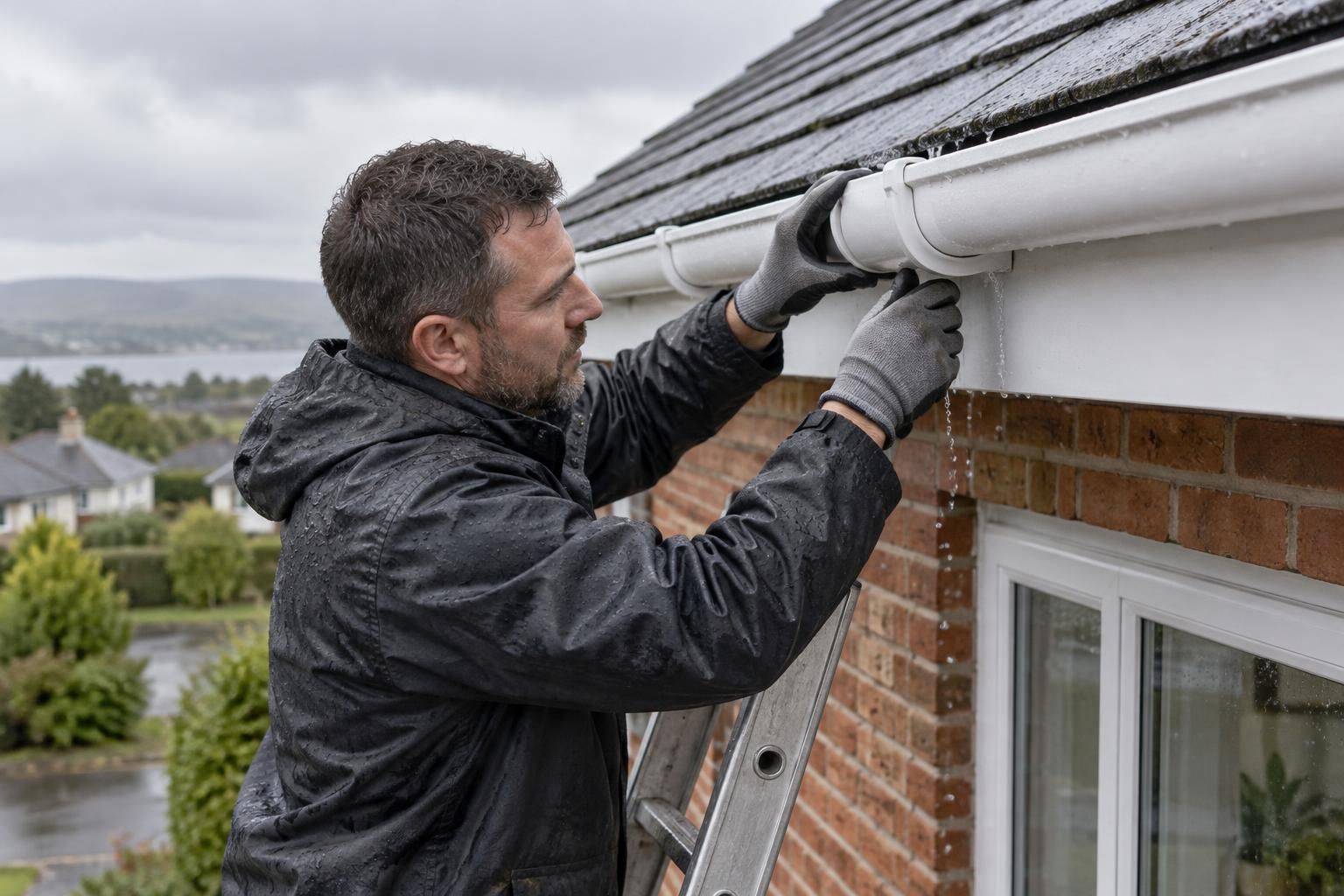
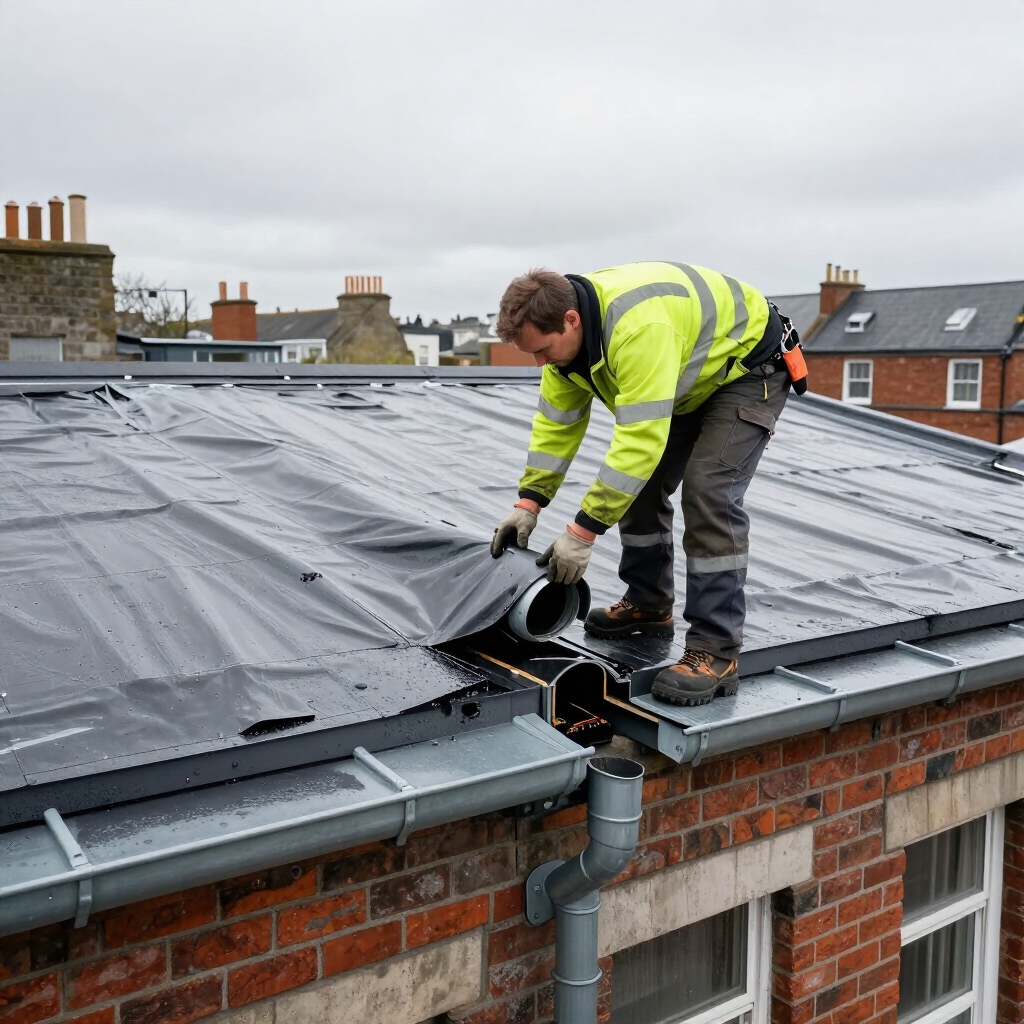
Once we have confirmed that a board needs replacing rather than repairing, the job itself is straightforward for our team and causes minimal disruption to your property. We follow the same process on every fascia board replacement, whether it is a single section or the full roofline:
- Inspect the fascia, soffit and guttering together, since a rotten board often points to a related gutter issue
- Carefully remove the existing gutter and downpipe sections to access the fascia safely
- Take out the rotten timber and check the rafter ends behind it for any further damage
- Treat or replace any affected timber framework before fitting anything new
- Cut and fit new fascia board to size, matching the existing profile and finish
- Reinstall the guttering, checking the fall and joints so water drains away correctly
- Clear away all old materials and debris before we leave the property
We always use quality materials for this work, and we tell you straight away if we find anything else that needs attention while we are up there, rather than leaving it for another visit.
Choosing Between Timber and uPVC Fascia
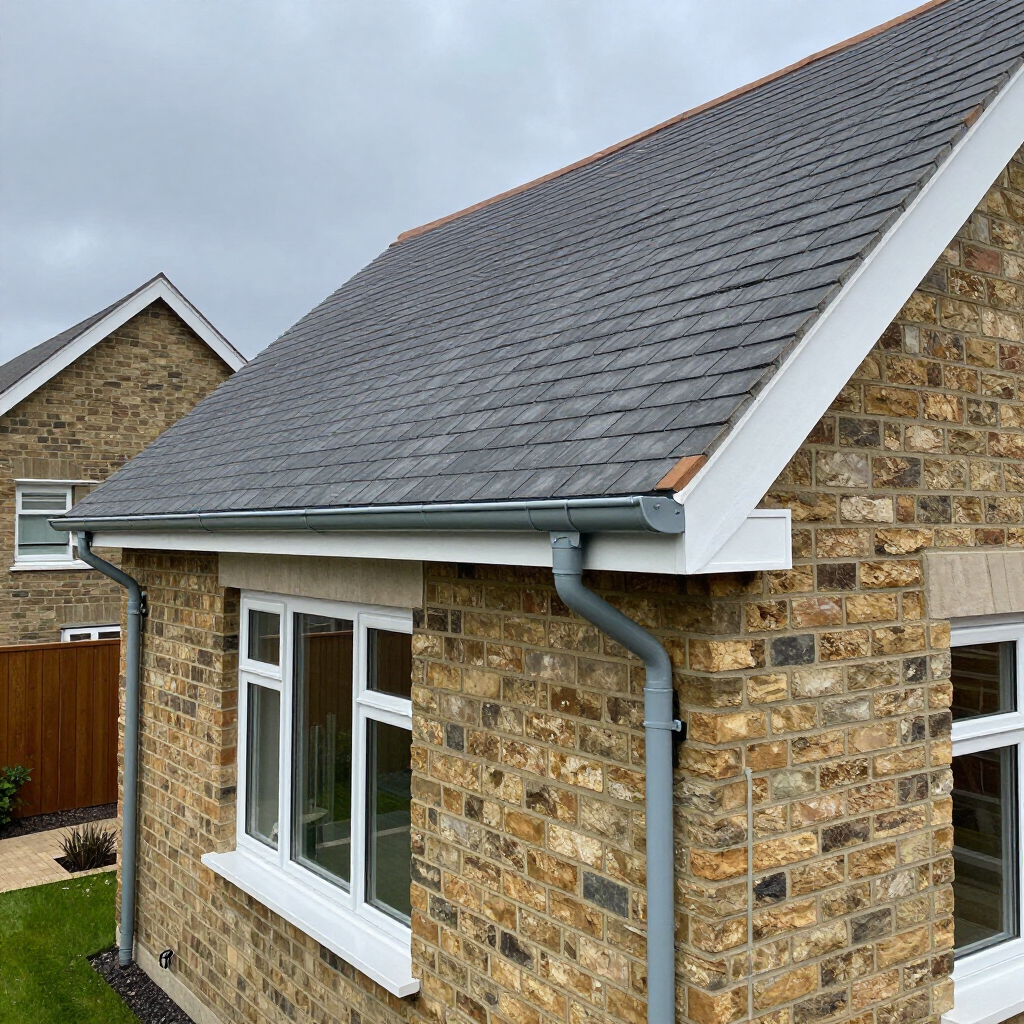
Homeowners often ask whether to replace rotten fascia boards with timber again or switch to uPVC. Timber can be painted to match period features but needs ongoing maintenance, while uPVC fascia resists rot completely and comes in a range of finishes and colours with no repainting required. If you are already planning new guttering at the same time, our article on seamless gutters and new fascia boards covers how the two jobs often work well together.
Fascia and Soffit Repair for the Whole Roofline
Fascia rarely fails on its own. The soffit boards underneath, which provide ventilation for the roof space, and the box ends at the gable, are made from the same materials and exposed to the same weather, so we check all of them during every fascia and soffit repair. Vent systems can also be fitted or upgraded at the same time if your attic needs better airflow.
Because every roofline is slightly different, we measure and cut each board to fit rather than using a one-size-fits-all approach. That keeps the finished line straight and the joints tight, which matters for keeping water out in the first place.
Why Fixing Rotten Fascia Boards Matters
Leaving a rotten fascia board in place rarely stays a small problem. Once the timber weakens, it can no longer support the brackets that hold your guttering, which is often how a simple gutter repair job turns into a bigger one. A sagging gutter puts more water onto the already damaged board, and from there moisture can track into the roof timbers and even the wall below.
Catching rot early, alongside regular upkeep like the checks we describe in our guide to gutter cleaning before winter, is the most cost-effective way to protect the rest of the roof. A fascia board replacement carried out promptly is a far smaller job than repairing water damage to rafters, soffits or render later on.
It is also worth remembering that fascia problems rarely stay confined to one section. Water that has started tracking behind a damaged board tends to follow the line of the roof, so a small patch of rot this year can easily spread along several metres of fascia by the following winter if nothing is done about it.
Replace Rotten Fascia Boards Across Dublin With Confidence
Rotten fascia boards will not get better on their own, and the longer they are left, the more of the roofline they tend to affect. Whether you have noticed peeling paint, a sagging gutter or soft timber along the eaves, replacing the damaged boards promptly protects your roof, your walls and the rest of your home from further water damage, wherever you are in Dublin or the surrounding areas.
If you think your home has rotten fascia boards, get in touch with KP Gutters for a free inspection and quote. You can reach us through our contact page, by phone on 085 737 4475, or by email at info@gutterrepairsdublin.ie, and we will arrange a time to take a look.
Recent Posts
Understanding Rotten Fascia Boards on Your Roofline
Rotten fascia boards are the timber or uPVC boards along your roofline that have softened, cracked or crumbled from prolonged exposure to rain, and they need replacing once the wood can no longer hold screws or keep water out. We remove the damaged sections, fit new fascia cut to size, and reseal the roofline so your home stays protected.
In this article we explain what causes fascia boards to rot, how to spot the warning signs before they lead to bigger problems, and the steps we follow when replacing rotten fascia boards on homes across Dublin and the surrounding areas.
Signs Your Fascia Boards Are Rotten
Fascia sits at the point where your roof meets the walls of the house, so it takes a constant battering from rain, wind and changing temperatures. Because it is fixed high up and often painted, early rot can be easy to miss from ground level, especially on a dull day when the colour change is harder to notice.
A few clear signs tend to show up before a board fails completely. We advise booking a free inspection with us as soon as you notice any of the following:
- Paint that is peeling, bubbling or flaking in patches along the roofline
- Soft, spongy or crumbly timber that gives way when you press it
- Gutters that have started to sag, pull away from the wall or sit unevenly
- Dark streaks, water stains or green algae running down the wall below the fascia
- Visible cracks, splits or small holes where birds or insects have gained access
- A musty or damp smell in the attic close to the eaves
If you spot more than one of these at once, the board has usually been letting in water for some time. Our fascia and soffit repair service starts with a straightforward check of the whole roofline so we can tell you exactly what needs attention.
What Causes Fascia Board Rot in Irish Homes
Fascia board rot almost always comes down to water finding a way in and staying there. A blocked or leaking gutter is one of the most common causes, since overflowing rainwater runs straight down the face of the board instead of away through the downpipe. Once moisture gets behind old paint or into a joint, timber fascia starts to soften from the inside out, often well before any damage is visible from the ground.
Dublin's weather makes this a particularly persistent problem. Met Éireann's most recent climate figures show that average annual rainfall across Ireland has risen over the past three decades, so exterior timber on an exposed roofline is under sustained pressure year after year. Combine that with coastal air, older housing stock, and fascia boards that were never properly sealed, and rot can take hold faster than homeowners expect.
Poor ventilation in the roof space adds to the problem too. Trapped moisture under the eaves softens timber from behind, which is why a board can look fine from the street while the back edge is already crumbling.
Older semi-detached and terraced houses across Dublin are especially prone to this, since many were fitted with timber fascia decades ago and have been repainted several times since without the boards ever being fully replaced. Each repaint can mask a small crack rather than fix it, so by the time rot becomes obvious from ground level, it has often been developing unseen for a year or more.
How We Replace Rotten Fascia Boards
Once we have confirmed that a board needs replacing rather than repairing, the job itself is straightforward for our team and causes minimal disruption to your property. We follow the same process on every fascia board replacement, whether it is a single section or the full roofline:
- Inspect the fascia, soffit and guttering together, since a rotten board often points to a related gutter issue
- Carefully remove the existing gutter and downpipe sections to access the fascia safely
- Take out the rotten timber and check the rafter ends behind it for any further damage
- Treat or replace any affected timber framework before fitting anything new
- Cut and fit new fascia board to size, matching the existing profile and finish
- Reinstall the guttering, checking the fall and joints so water drains away correctly
- Clear away all old materials and debris before we leave the property
We always use quality materials for this work, and we tell you straight away if we find anything else that needs attention while we are up there, rather than leaving it for another visit.
Choosing Between Timber and uPVC Fascia
Homeowners often ask whether to replace rotten fascia boards with timber again or switch to uPVC. Timber can be painted to match period features but needs ongoing maintenance, while uPVC fascia resists rot completely and comes in a range of finishes and colours with no repainting required. If you are already planning new guttering at the same time, our article on seamless gutters and new fascia boards covers how the two jobs often work well together.
Fascia and Soffit Repair for the Whole Roofline
Fascia rarely fails on its own. The soffit boards underneath, which provide ventilation for the roof space, and the box ends at the gable, are made from the same materials and exposed to the same weather, so we check all of them during every fascia and soffit repair. Vent systems can also be fitted or upgraded at the same time if your attic needs better airflow.
Because every roofline is slightly different, we measure and cut each board to fit rather than using a one-size-fits-all approach. That keeps the finished line straight and the joints tight, which matters for keeping water out in the first place.
Why Fixing Rotten Fascia Boards Matters
Leaving a rotten fascia board in place rarely stays a small problem. Once the timber weakens, it can no longer support the brackets that hold your guttering, which is often how a simple gutter repair job turns into a bigger one. A sagging gutter puts more water onto the already damaged board, and from there moisture can track into the roof timbers and even the wall below.
Catching rot early, alongside regular upkeep like the checks we describe in our guide to gutter cleaning before winter, is the most cost-effective way to protect the rest of the roof. A fascia board replacement carried out promptly is a far smaller job than repairing water damage to rafters, soffits or render later on.
It is also worth remembering that fascia problems rarely stay confined to one section. Water that has started tracking behind a damaged board tends to follow the line of the roof, so a small patch of rot this year can easily spread along several metres of fascia by the following winter if nothing is done about it.
Replace Rotten Fascia Boards Across Dublin With Confidence
Rotten fascia boards will not get better on their own, and the longer they are left, the more of the roofline they tend to affect. Whether you have noticed peeling paint, a sagging gutter or soft timber along the eaves, replacing the damaged boards promptly protects your roof, your walls and the rest of your home from further water damage, wherever you are in Dublin or the surrounding areas.
If you think your home has rotten fascia boards, get in touch with KP Gutters for a free inspection and quote. You can reach us through our contact page, by phone on 085 737 4475, or by email at info@gutterrepairsdublin.ie, and we will arrange a time to take a look.