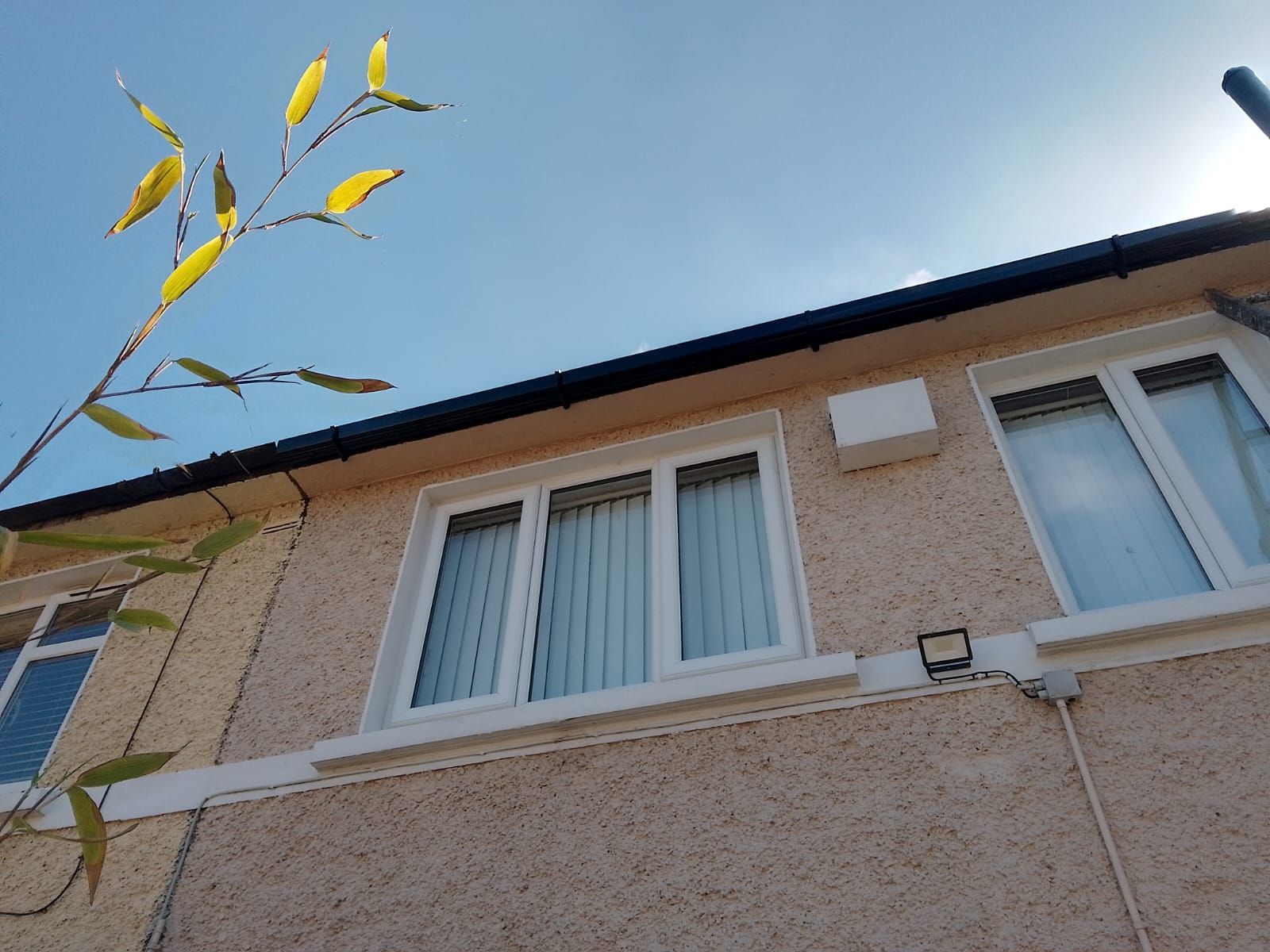
Seamless Gutters and New Fascia Boards for Dublin Homes
3 November 2026
Share
Why Seamless Gutters in Dublin Pair Well With New Fascia
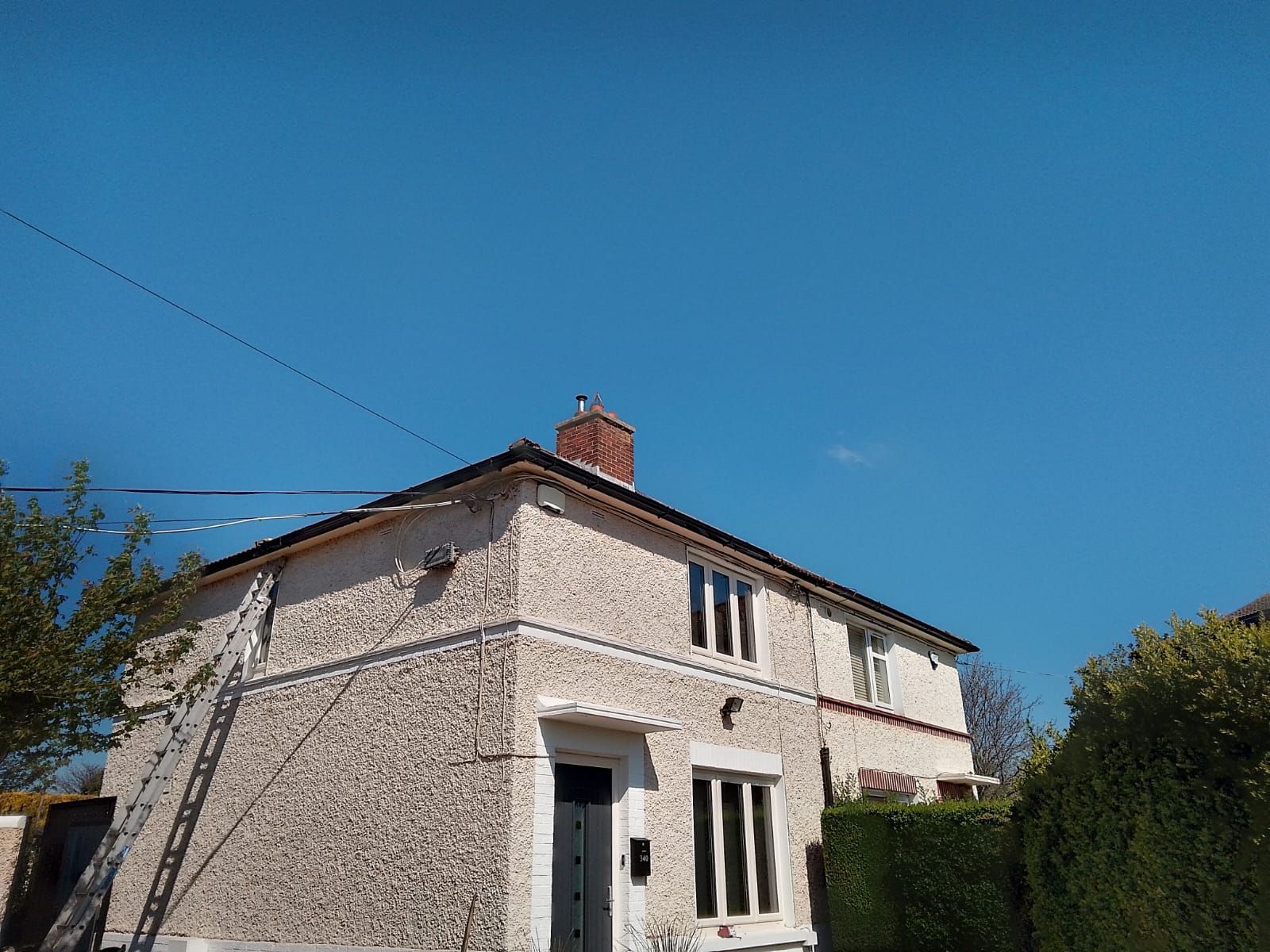
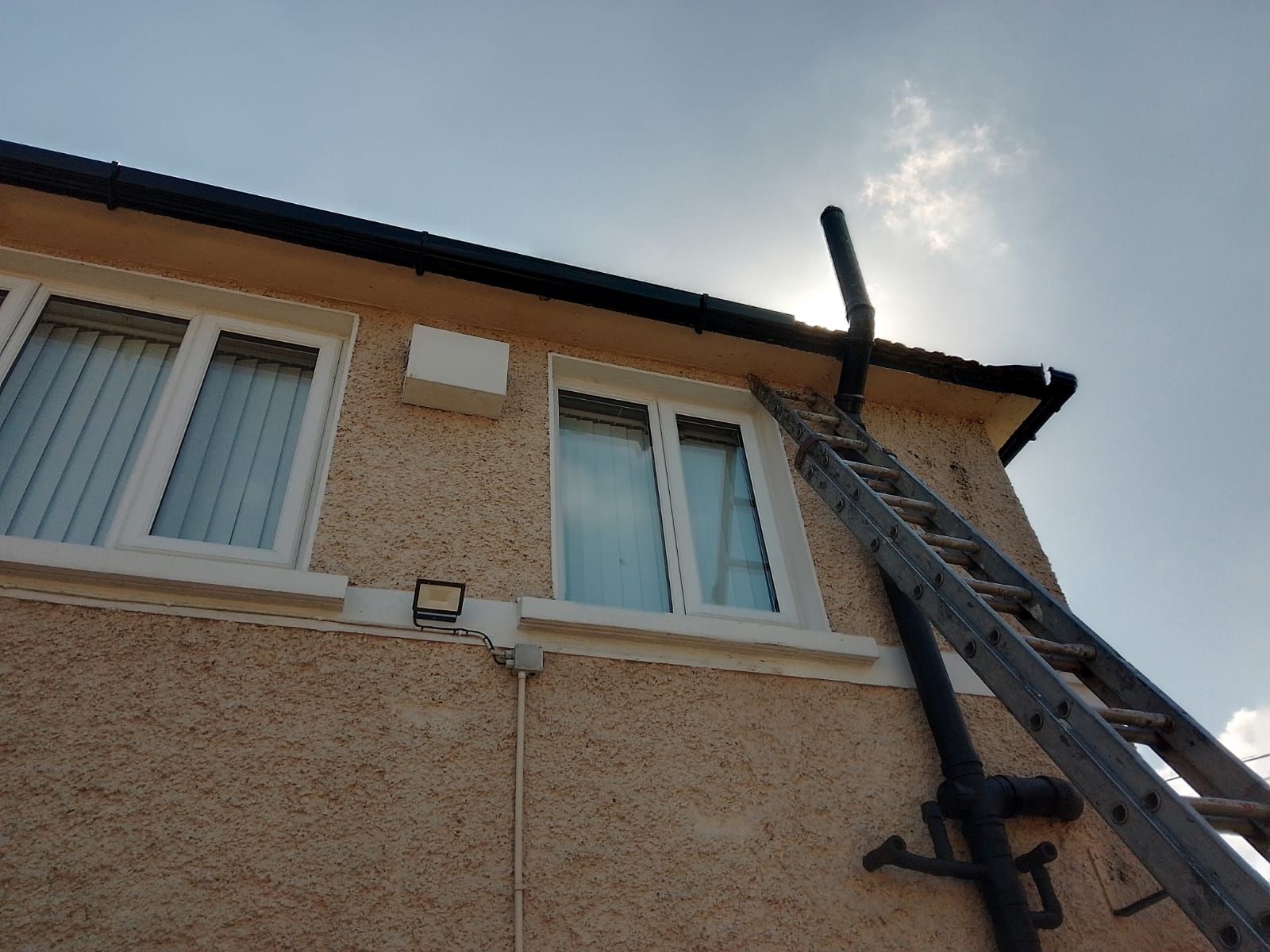
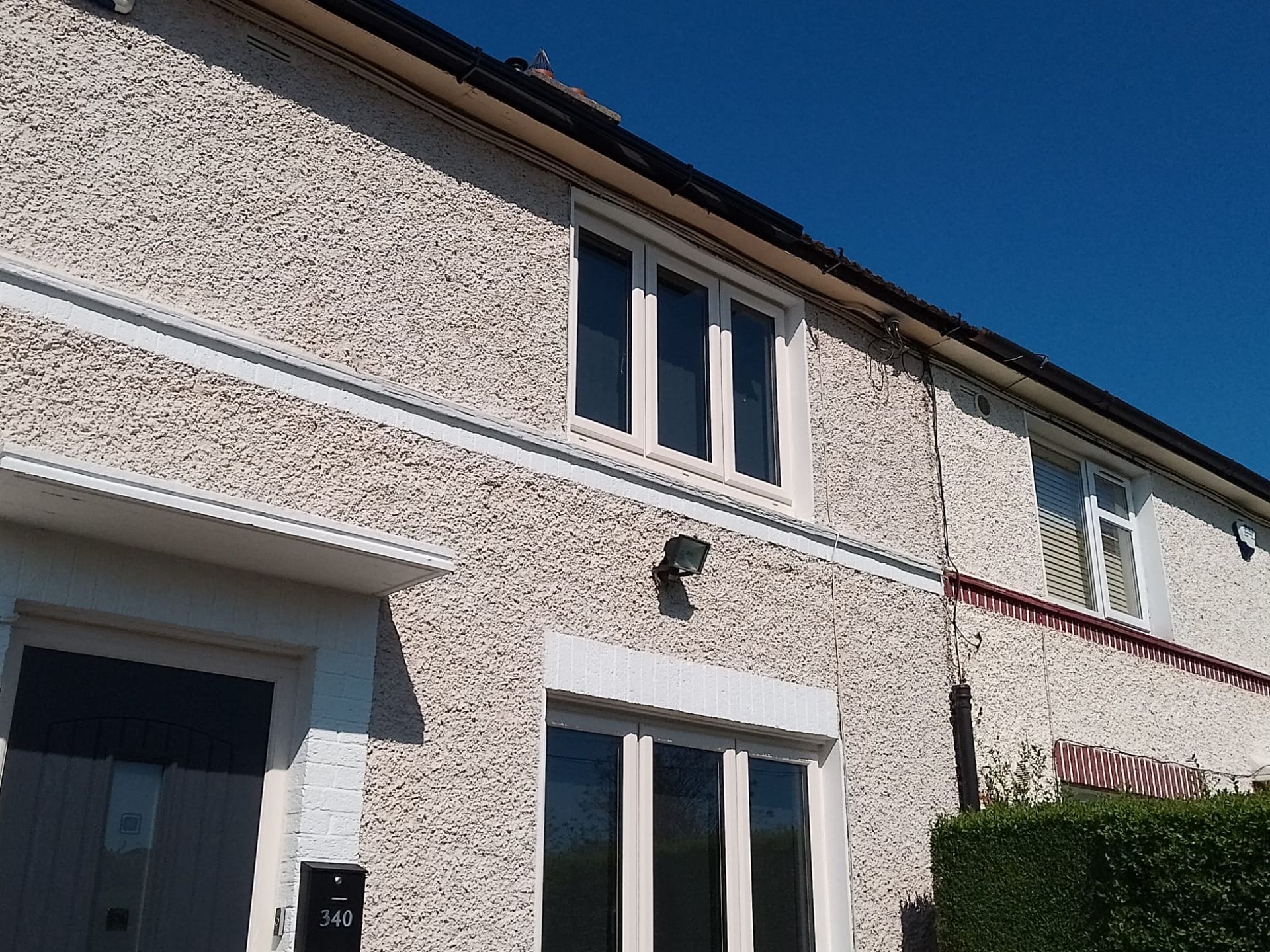
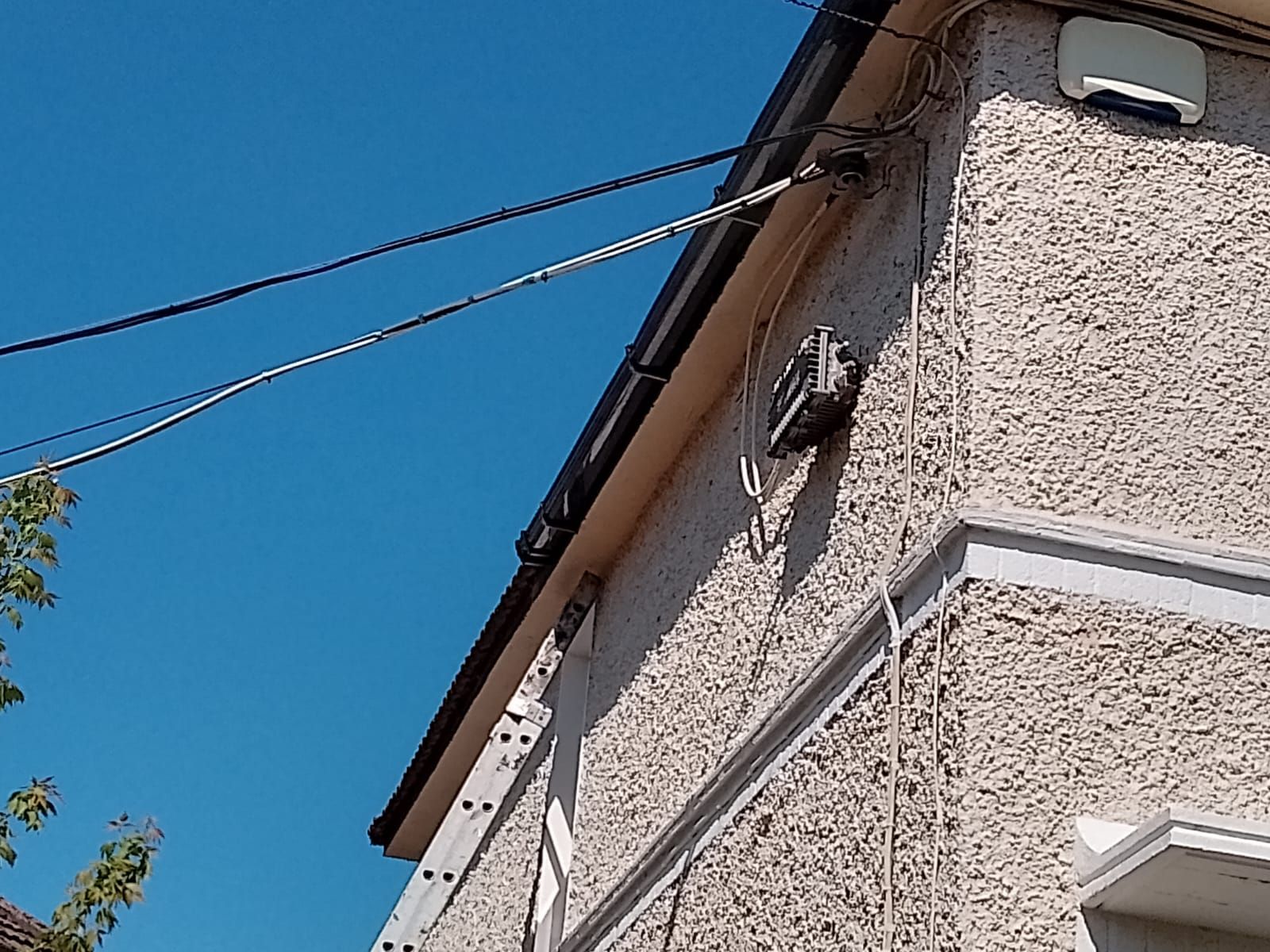
Fitting seamless gutters in Dublin at the same time as new fascia boards means the gutter is fixed to sound, straight timber or uPVC from day one, with one set of access and one visit. Seamless gutters are cut to the exact length of each run with no joints along it, so there are fewer places for leaks to start.
This article explains how fascia and gutters depend on each other, the difference between sectional PVC and seamless gutters, the signs that both need replacing, and what happens on the day when we do the work together.
How Fascia, Soffits and Gutters Work Together
The fascia is the long board that runs along the bottom edge of the roof, just below the last row of slates or tiles. It closes off the ends of the rafters and, just as importantly, it is what your gutter brackets are screwed into. The soffit is the horizontal board underneath, closing the gap between the fascia and the wall of the house. Box ends and barge boards finish off the corners and the gable ends.
Because the gutter hangs from the fascia, the two can only ever be as good as each other. A new gutter fixed to a soft or rotten fascia board will not hold its line for long, and brackets can pull loose under the weight of water. In the other direction, a leaking or overflowing gutter soaks the fascia behind it, which is one of the most common reasons timber fascia boards rot in the first place.
That is why we look at the whole roofline during every free inspection, not just the gutter. You can read more about the boards themselves on our fascia and soffit repair and replacement page.
Sectional PVC Gutters Compared With Seamless Gutters
Many houses in Dublin have sectional PVC gutters. These come in standard lengths that are joined together on the wall with union brackets, each joint sealed with a rubber gasket. They are a practical, widely used system, and we supply and fit new PVC gutters and downpipes for many homes.
Where sectional gutters tend to fail
The weak points in a sectional system are the joints. Over the years the rubber seals harden and shrink, PVC expands and contracts with the temperature, and the unions can open up slightly. The result is a drip at each joint, staining on the wall below or a section that has dropped out of line so water sits in it. On a long run across a terrace or a wide semi-detached house there can be several joints, and each one is a possible leak.
What makes a seamless gutter different
A seamless gutter is made to the full length of the run, so there are no joints along the straight sections. Joins are only needed at corners and where the gutter connects to the outlets and downpipes. In general, seamless guttering is usually formed from metal such as aluminium rather than PVC, which is why it is often chosen where people want a gutter with fewer joints and a cleaner line along the front of the house.
Our seamless gutters are cut to the size required for each elevation, with no joints, and are available in more than one material and colour so they can be matched to your new fascia and soffit.
Choosing between the two
- Sectional PVC suits many standard homes and is straightforward to repair or extend later.
- Seamless gutters suit homeowners who want fewer joints, long uninterrupted runs and a neat finish that matches the roofline.
- On either system, the condition of the fascia behind it decides how well the gutter performs over time.
We will explain the options honestly during the survey, based on the house, the length of the runs and what you want from the finish.
Signs You Need New Fascia Boards and Gutters Together
Sometimes only the gutter needs attention and a repair is the right answer. Our gutter repairs service covers leaking, sagging and broken gutters on their own. But when the following signs show up together, replacing both at once usually makes more sense.
- Fascia boards that feel soft when pressed, with flaking paint, splits or dark patches of damp.
- Gutter brackets that will not hold their screws because the timber behind them has gone.
- Gutters that sag between brackets or have been patched several times at the joints.
- Soffits that are stained, cracked or hanging down, or gaps where birds or insects are getting into the roof space.
- Old painted timber fascia that needs regular repainting just to keep it presentable.
- Water marks on the wall below the gutter line, a sign that water has been running behind the gutter.
If several of these apply, fitting new fascia and soffit and then hanging seamless gutters on the new boards deals with the cause rather than just the symptom.
Why Replacing Fascia and Gutters at the Same Time Makes Sense
To replace a fascia board properly, the existing gutter has to come down first. If the gutter is old or sectional and already showing wear, putting it back up on brand new fascia often means doing the job twice within a few years. Doing both in one visit has clear practical benefits.
- One set of access. Ladders, towers or scaffolding are only needed once, which saves time and keeps disruption at your property to a minimum.
- A sound fixing for the new gutter. Brackets go into new boards, so the gutter can be set to the correct fall towards the outlets.
- A matched finish. Fascia, soffit and gutters can be chosen together from a range of finishes and colours, so the whole roofline looks consistent.
- Problems found early. With the old boards off, we can see the rafter ends and the edge of the roof. If we notice anything else, such as slipped tiles or damage that needs a roof repair, we tell you.
- Ventilation sorted at the same time. Vent systems are available for fascia and soffit, which can be fitted while the roofline is open rather than added later.
What Happens During a Seamless Gutter and Fascia Installation
Every job starts with a free inspection, survey and quote. We check the existing gutters, downpipes, fascia, soffits, box ends and barge boards, measure each run and talk through materials, finishes and colours with you. There is no charge for this and no obligation.
On the day, the work generally follows these steps.
- Set up safe access along the elevations being worked on.
- Take down the old gutters and downpipes and remove the old fascia and soffit boards.
- Check the rafter ends and the roof edge, and make good where needed.
- Fit the new soffit, fascia, box ends and barge boards, including any vent system agreed.
- Fix the gutter brackets to the new fascia and install the seamless gutters, cut to the length of each run.
- Connect the outlets and downpipes, then test the system with water to confirm it drains properly.
- Remove the old materials and leave the area tidy.
The time it takes depends on the size of the house, how many elevations are being done and the condition of what is behind the old boards. We give you a clear picture of this in the quote.
Seamless Gutters and Fascia From a Dublin Family Business
KP Gutters is a family-run company with around 30 years of experience in guttering and roofing. We work on residential, commercial and industrial properties throughout Dublin and the surrounding areas, and we are registered and fully insured.
If your gutters are leaking at the joints and your fascia boards are past their best, replacing them together with seamless gutters is often the most sensible long-term choice. For seamless gutters in Dublin fitted to new fascia and soffits, we can survey the house and recommend the right approach for your roofline.
To arrange your free inspection, survey and quote, contact KP Gutters or call 085 737 4475 or 01 831 0523. You can also email info@gutterrepairsdublin.ie.
Recent Posts

Why Seamless Gutters in Dublin Pair Well With New Fascia
Fitting seamless gutters in Dublin at the same time as new fascia boards means the gutter is fixed to sound, straight timber or uPVC from day one, with one set of access and one visit. Seamless gutters are cut to the exact length of each run with no joints along it, so there are fewer places for leaks to start.
This article explains how fascia and gutters depend on each other, the difference between sectional PVC and seamless gutters, the signs that both need replacing, and what happens on the day when we do the work together.
How Fascia, Soffits and Gutters Work Together
The fascia is the long board that runs along the bottom edge of the roof, just below the last row of slates or tiles. It closes off the ends of the rafters and, just as importantly, it is what your gutter brackets are screwed into. The soffit is the horizontal board underneath, closing the gap between the fascia and the wall of the house. Box ends and barge boards finish off the corners and the gable ends.
Because the gutter hangs from the fascia, the two can only ever be as good as each other. A new gutter fixed to a soft or rotten fascia board will not hold its line for long, and brackets can pull loose under the weight of water. In the other direction, a leaking or overflowing gutter soaks the fascia behind it, which is one of the most common reasons timber fascia boards rot in the first place.
That is why we look at the whole roofline during every free inspection, not just the gutter. You can read more about the boards themselves on our fascia and soffit repair and replacement page.
Sectional PVC Gutters Compared With Seamless Gutters
Many houses in Dublin have sectional PVC gutters. These come in standard lengths that are joined together on the wall with union brackets, each joint sealed with a rubber gasket. They are a practical, widely used system, and we supply and fit new PVC gutters and downpipes for many homes.
Where sectional gutters tend to fail
The weak points in a sectional system are the joints. Over the years the rubber seals harden and shrink, PVC expands and contracts with the temperature, and the unions can open up slightly. The result is a drip at each joint, staining on the wall below or a section that has dropped out of line so water sits in it. On a long run across a terrace or a wide semi-detached house there can be several joints, and each one is a possible leak.
What makes a seamless gutter different
A seamless gutter is made to the full length of the run, so there are no joints along the straight sections. Joins are only needed at corners and where the gutter connects to the outlets and downpipes. In general, seamless guttering is usually formed from metal such as aluminium rather than PVC, which is why it is often chosen where people want a gutter with fewer joints and a cleaner line along the front of the house.
Our seamless gutters are cut to the size required for each elevation, with no joints, and are available in more than one material and colour so they can be matched to your new fascia and soffit.
Choosing between the two
- Sectional PVC suits many standard homes and is straightforward to repair or extend later.
- Seamless gutters suit homeowners who want fewer joints, long uninterrupted runs and a neat finish that matches the roofline.
- On either system, the condition of the fascia behind it decides how well the gutter performs over time.
We will explain the options honestly during the survey, based on the house, the length of the runs and what you want from the finish.
Signs You Need New Fascia Boards and Gutters Together
Sometimes only the gutter needs attention and a repair is the right answer. Our gutter repairs service covers leaking, sagging and broken gutters on their own. But when the following signs show up together, replacing both at once usually makes more sense.
- Fascia boards that feel soft when pressed, with flaking paint, splits or dark patches of damp.
- Gutter brackets that will not hold their screws because the timber behind them has gone.
- Gutters that sag between brackets or have been patched several times at the joints.
- Soffits that are stained, cracked or hanging down, or gaps where birds or insects are getting into the roof space.
- Old painted timber fascia that needs regular repainting just to keep it presentable.
- Water marks on the wall below the gutter line, a sign that water has been running behind the gutter.
If several of these apply, fitting new fascia and soffit and then hanging seamless gutters on the new boards deals with the cause rather than just the symptom.
Why Replacing Fascia and Gutters at the Same Time Makes Sense
To replace a fascia board properly, the existing gutter has to come down first. If the gutter is old or sectional and already showing wear, putting it back up on brand new fascia often means doing the job twice within a few years. Doing both in one visit has clear practical benefits.
- One set of access. Ladders, towers or scaffolding are only needed once, which saves time and keeps disruption at your property to a minimum.
- A sound fixing for the new gutter. Brackets go into new boards, so the gutter can be set to the correct fall towards the outlets.
- A matched finish. Fascia, soffit and gutters can be chosen together from a range of finishes and colours, so the whole roofline looks consistent.
- Problems found early. With the old boards off, we can see the rafter ends and the edge of the roof. If we notice anything else, such as slipped tiles or damage that needs a roof repair, we tell you.
- Ventilation sorted at the same time. Vent systems are available for fascia and soffit, which can be fitted while the roofline is open rather than added later.
What Happens During a Seamless Gutter and Fascia Installation
Every job starts with a free inspection, survey and quote. We check the existing gutters, downpipes, fascia, soffits, box ends and barge boards, measure each run and talk through materials, finishes and colours with you. There is no charge for this and no obligation.
On the day, the work generally follows these steps.
- Set up safe access along the elevations being worked on.
- Take down the old gutters and downpipes and remove the old fascia and soffit boards.
- Check the rafter ends and the roof edge, and make good where needed.
- Fit the new soffit, fascia, box ends and barge boards, including any vent system agreed.
- Fix the gutter brackets to the new fascia and install the seamless gutters, cut to the length of each run.
- Connect the outlets and downpipes, then test the system with water to confirm it drains properly.
- Remove the old materials and leave the area tidy.
The time it takes depends on the size of the house, how many elevations are being done and the condition of what is behind the old boards. We give you a clear picture of this in the quote.
Seamless Gutters and Fascia From a Dublin Family Business
KP Gutters is a family-run company with around 30 years of experience in guttering and roofing. We work on residential, commercial and industrial properties throughout Dublin and the surrounding areas, and we are registered and fully insured.
If your gutters are leaking at the joints and your fascia boards are past their best, replacing them together with seamless gutters is often the most sensible long-term choice. For seamless gutters in Dublin fitted to new fascia and soffits, we can survey the house and recommend the right approach for your roofline.
To arrange your free inspection, survey and quote, contact KP Gutters or call 085 737 4475 or 01 831 0523. You can also email info@gutterrepairsdublin.ie.